

Understanding hermaphrodite cannabis
Discover what hermaphrodite cannabis is, why it occurs, and how to protect your grow. Learn essential identification and prevention tips for a healthier harvest.
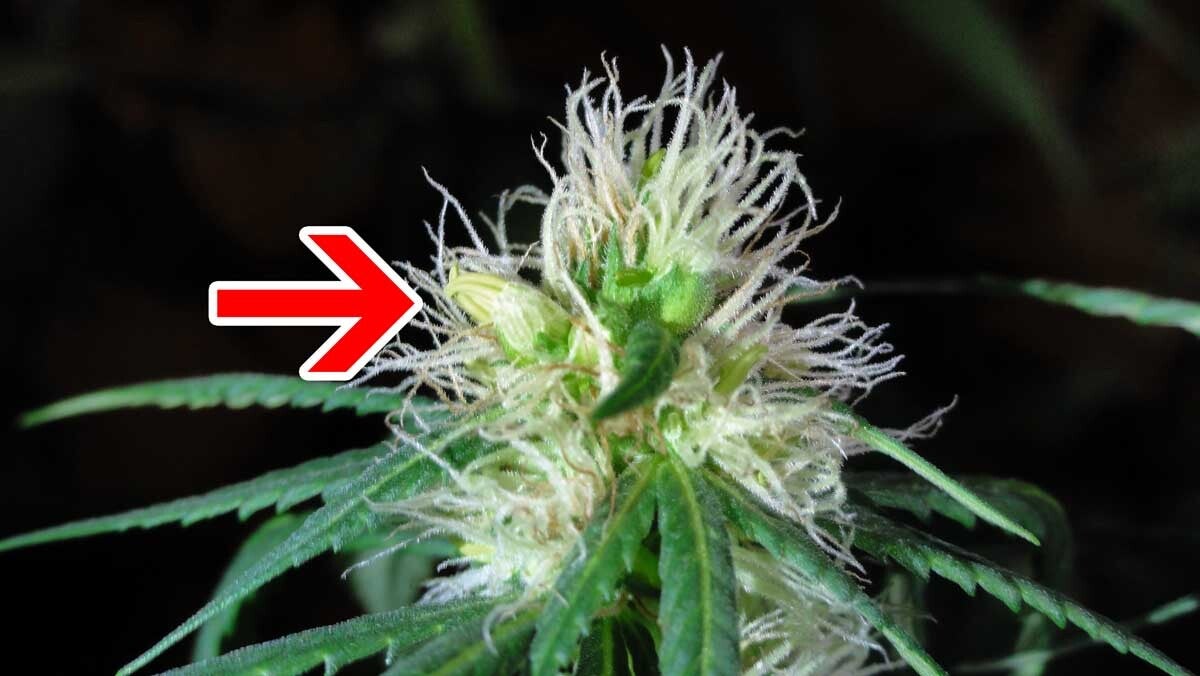
What is hermaphrodite cannabis?
Hermaphrodite cannabis refers to a plant that develops both male and female reproductive organs. For home growers, understanding this phenomenon is crucial because it directly impacts crop quality and yield. If left unaddressed, these plants can self-pollinate or pollinate other female plants, leading to seedy buds and a significant reduction in cannabinoid production. Early detection and management are key to maintaining a successful grow.
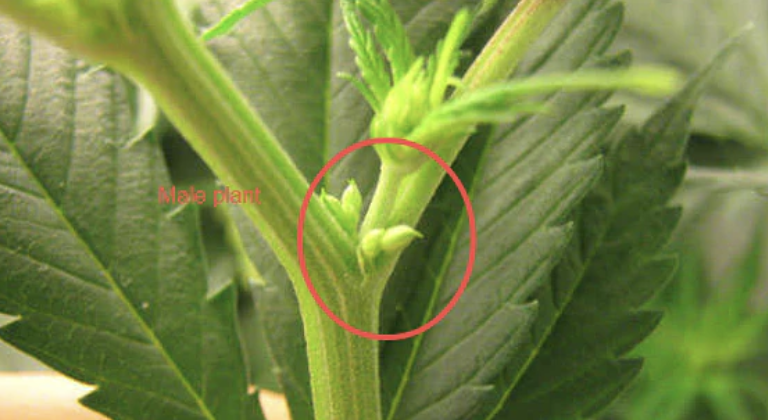


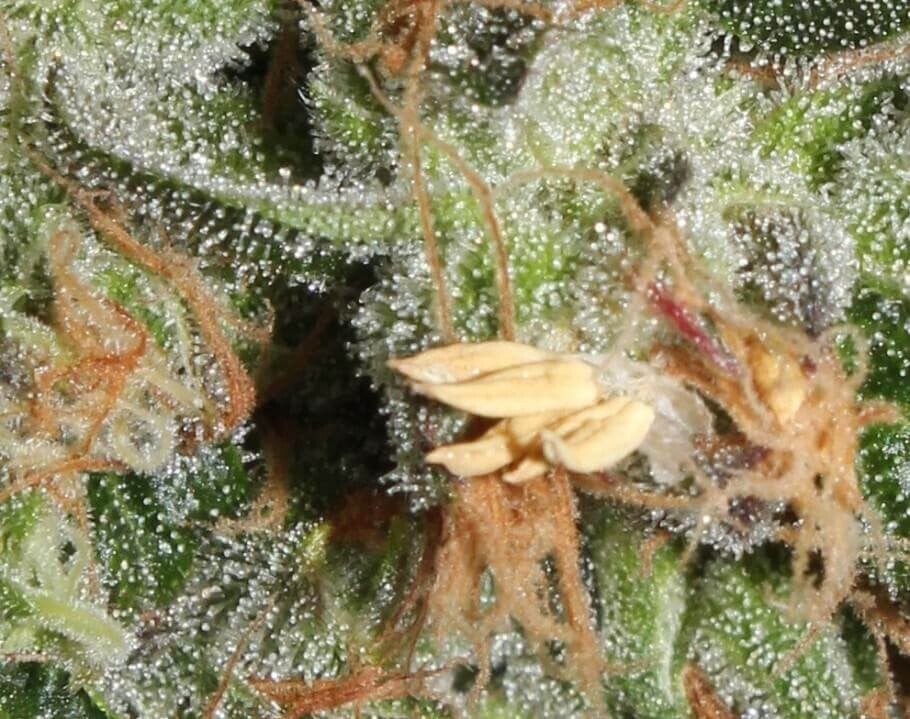
Causes and prevention of hermaphroditism
Cannabis hermaphroditism is essentially a stress-response survival mechanism. The plant’s goal is simple: ensure reproduction even when conditions threaten its ability to be pollinated normally. When the plant senses danger, it may produce male organs to guarantee seed production.
Primary causes
- Genetic predisposition: Some strains carry unstable genetics that are more prone to hermaphroditism. If the trait exists in the lineage, stress can trigger it more easily.
- Light stress: Irregular light cycles, light leaks during dark periods, or sudden changes in photoperiod can disrupt hormonal signaling and trigger hermie traits.
- Heat stress: Sustained high temperatures can push the plant into survival mode.
- Physical damage: Broken branches, aggressive handling, or structural injury can cause the plant to “panic” and produce male organs.
- Environmental instability: Large swings in temperature, humidity, or other environmental factors can destabilize hormonal balance.
- Chemical or nutrient issues: Imbalances or deficiencies in nutrients, or exposure to certain chemicals, can also induce stress leading to hermaphroditism.
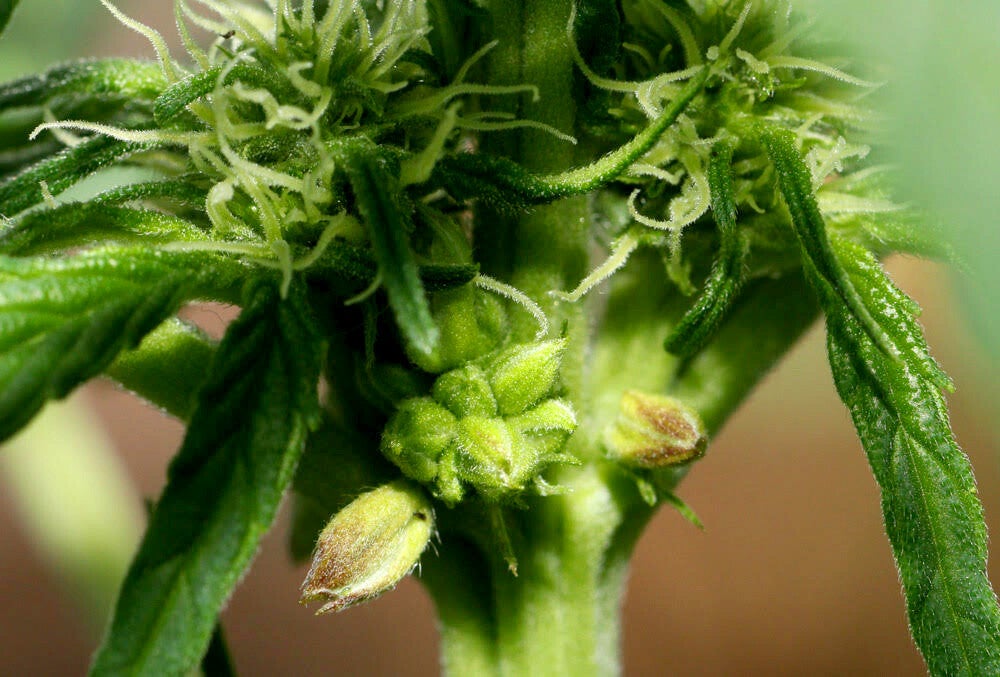
How to identify hermaphrodite plants
Hermaphroditism shows up in two main forms, and each has distinct visual cues. A grower doesn’t need advanced skill, just awareness of what these structures look like. A “true hermie” develops full male pollen sacs and normal female buds at the same time.
What it looks like (visually)
Male pollen sacs resemble:
- Little round balls
- Clusters shaped like tiny grapes
- Smooth, oval structures that hang slightly
Female flowers have:
- White hairs (pistils) sticking out
- Bud formation that looks normal
If both appear on the same branch or same node, that’s the classic hermaphrodite structure.
What it looks like
Thin, yellow banana-shaped stamens poking out of a bud.
They look like:
- Tiny yellow “bananas”
- Little matchstick-shaped protrusions
- A single bright yellow piece inside otherwise green buds
These are male reproductive organs, but without forming full pollen sacs. They can appear suddenly and are easy to miss if someone isn’t looking closely.
The key visual differences
Pollen sacs are generally more pronounced and clustered, while the banana-shaped stamens are individual, smaller, and often appear directly within the female flower structure.
Critical advice for managing hermaphrodite plants
The single most important piece of advice—the one that matters more than anything else—is this: don’t ignore it. A hermaphrodite plant is a genetic and biological warning sign, not a cosmetic flaw.
A hermaphrodite plant isn’t just an oddity—it’s a stress signal and a genetic instability indicator. When a plant throws male organs, it’s telling you:
- Something in its genetics or environment pushed it into survival mode.
- It’s capable of self-pollinating.
- It can affect the quality of the surrounding crop.
- It may pass hermaphroditic tendencies to future generations.
That’s why growers treat hermies as high-priority issues, not background noise.
Again, strictly high-level principles:
- Identify it early: Visual recognition of pollen sacs or “nanners” is the grower’s first line of defense.
- Understand the cause: Hermaphroditism usually comes from genetics or stress. Knowing which one helps prevent recurrence.
- Protect the rest of the crop: Hermies can self-pollinate and potentially ruin an entire harvest by causing other female plants to produce seeds. Remove or isolate affected plants immediately.